Like all technology, the phrase ‘Smart Manufacturing’ is open to interpretation depending on who you talk to, along with similar jargon such as ‘Industry 4.0’ and the ‘Industrial Internet of Things’. We at Promtek favour the phrase ‘Smart Manufacturing’ because unlike other trendy phrases it embodies the idea of using technology to benefit manufacturers, and this fits with our company mission.
Download this article
Enjoy it as an ebook or a flipbook
If you'd prefer to download this article just pop in your email address
You'll receive the article in your inbox and we'll only contact you about this.
Our objective in this article is to give some real and practical meaning to the concept of ‘Smart Manufacturing’ to help industry to engage with the concept and to take ownership of it. In doing so, business leaders in specialist ingredient handling industries can ensure that their suppliers are putting their resources into productive solutions that solve real problems and give them a competitive advantage over others who are slower to adopt the ideas, both at local and regional level.
Our challenge to industry is to recognise that the current state of technology can always be better and to embrace this to improve efficiency, reduce waste and reduce risk. The responsibility for investing in technology has to be shared between the manufacturers and the suppliers, but the cost of development and the burden of competition is more heavily biased towards the suppliers, while the benefits of development are more heavily biased towards the manufacturers. We ask the question, can a balance be achieved over the next 10 years by specialist ingredient handling industries? Investment and collaboration in Smart Manufacturing may offer a way forward.
Smart Manufacturing, defined
First, we need a definition of the term ‘Smart Manufacturing’

ERP / Finance Reporting Systems
Sets out the key performance objectives at the business level.
- Opportunity to use Sales Order and Purchase Order information to provide performance targets for Production Management planning and quality.
- Opportunity to consume Production Management data to improve stock control and valuation.
- Opportunity to use actual Production Management timings to improve accuracy of product cost analysis, plan and measure payback on CapEx, measure and monitor customer relationship performance.
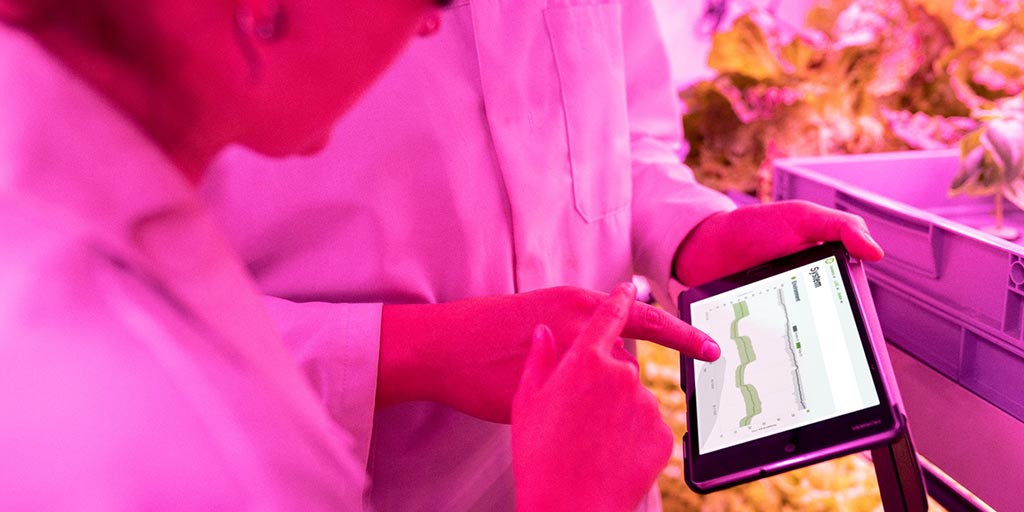
Near Infrared (NIR) Nutritional Analysis
Analyses incoming raw materials and outgoing finished products for quality and specification conformity.
- Opportunity to provide live analysis of ingredient stocks on site to plan production for least cost if applicable.
- Opportunity to provide live analysis of finished product to check for compliance to specification before releasing to customer.

Least-Cost Formulation
Converts specifications into Bills of Materials for manufacturing, based on purchase cost and chemical analysis of stock to optimise profit margin.
- Opportunity to provide Bills of Materials (recipes) used by Production Management to set Production targets.

Logistics (Transport Planning and Vehicle Tracking) Software
Produces plans of delivery vehicle routes to make customer drops and collect raw materials.
- Opportunity to provide loaded quantities and arrival times to Production Management planning to reduce ingredient storage time and increase factory utilisation.

Production Management (Planning, Execution, Records and Quality Audits)
Produces and maintains production targets with a planned sequence of orders and loads with quantity and completion time targets to be ready to be collected and delivered, based on expected raw material receipts and current stock levels. The plan sets the target tonnage as close to the capacity of the factory as possible for maximum ROI. The sequence is used to set the schedule and target timings for the production process control. Records of completed orders and loads from the Production process control are used to keep a realistic plan, identify bottlenecks and demonstrate compliance with quality policies and procedures.
- Opportunity to set up and change Production process control targets and schedules directly from changes to plans in response to real-time events such as breakdowns, late arrival of transport.
- Opportunity to analyse records from the Production process control in real-time and identify non-conforming product or trends leading to non-conformance before they affect the customer.
- Opportunity to use real-time records from the Production process control to monitor factory utilisation, compare actual tonnage against planned tonnage and identify downtime root causes.
- Opportunity to control FIFO stock consumption and prevent expired or quarantined ingredients from entering finished products, by specifying the stock lots to be used by Production process control.

Production Process Control
Combines a Production sequence and recipe into discrete steps that set up, configure and run Processing Equipment to complete operations required to make a batch of finished product and transfer it to the correct point to be packed or loaded for delivery. Sends the results of each step back to Production Management for recording and analysis.
- Opportunity to collect performance data from the processing equipment during each step and send it back to Production Management.
- Opportunity to measure wear and tear and performance of the processing equipment during each step and send it to Maintenance Management.
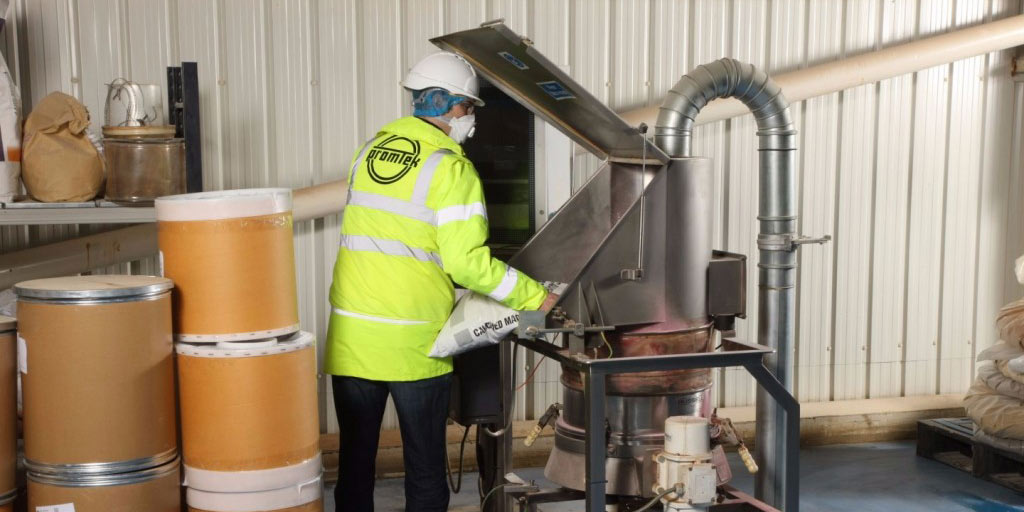
Processing Equipment
Performs an operation through mechanical means to add value to a product or move it into a new location for further processing. This can be a completely manual operation carried out by a human operator or provided as a self-contained, automated machine supplied by a System Integrator or OEM, supervised by a human operator.
- Opportunity to provide sensors for Process Control to measure and record diagnostics for equipment health, wear and tear, current performance level within design parameters, warnings of usage at extent of design parameters and critical warnings of usage beyond the manufacturer’s specifications.
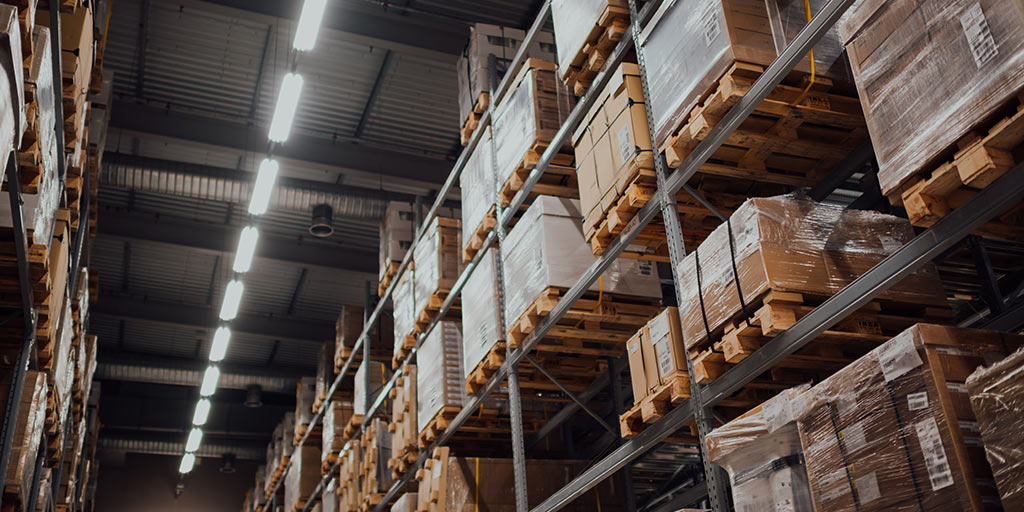
Warehousing and Storage
Provides locations to hold products until Logistics or the Processing Equipment is ready for it. Any product in storage holds some unrealised value for the business and also presents risk of loss through fire, theft or natural degradation over time, so it is subject to high levels of scrutiny and monitoring by businesses, insurers and Production Management.
- Opportunity to provide sensors for Production Management to monitor stock levels of bulk materials and avoid unplanned downtime due to missing or quarantined stock.
- Opportunity to provide delivery lot information to Production Management to optimise FIFO stock consumption and accurate production planning.
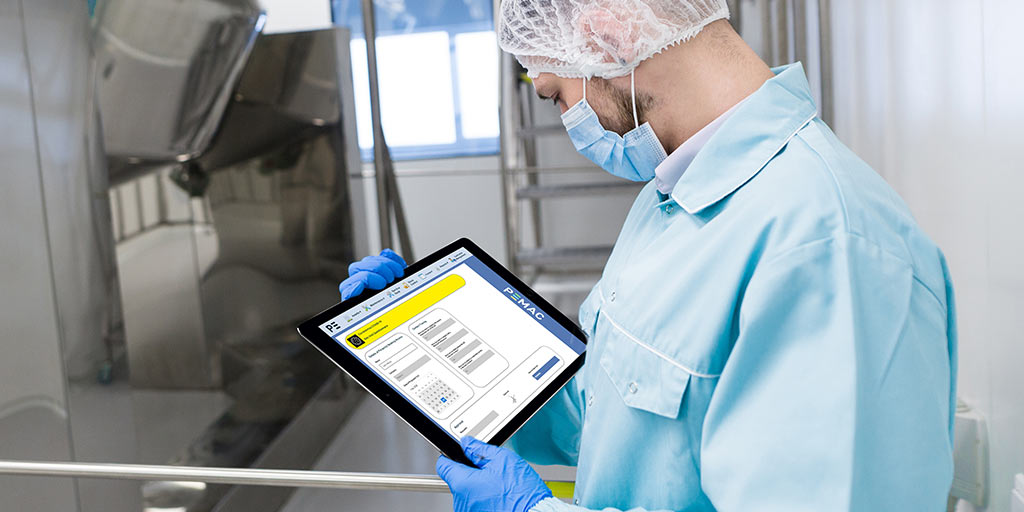
Maintenance Management
Minimises the Total Cost of Ownership of Process Equipment by monitoring actual records of wear and tear and planning preventative maintenance activities to minimise unplanned downtime due to breakdowns and system failures. Manages the stock of spare parts and identifies fast and slow moving items. Measures the Mean Time Between Failure and identifies equipment that is failing to meet performance targets, providing realistic Cost-Benefit analysis information for opportunities to replace and upgrade.
- Opportunity to consume real-time records of wear and tear from the Production Process Control, giving more accurate planning of preventative maintenance.
- Opportunity to integrate with ERP to report live stock levels of spares, authorise purchases.
- Opportunity to send Processing Equipment maintenance requests to Production Management to include in production planning.
As you can see, there are a lot of opportunities to squeeze more efficiency, utilisation, returns on CapEx investments and improved product quality out of a manufacturing facility in a specialist ingredient handling business, if the key operations communicate in real-time and exchange relevant information.
The best-run factory in the world will already be doing this to some extent at great cost of human effort, with operational meetings, production meetings, quality meetings, maintenance meetings, quarterly board meetings and other informal chats, talks and discussions between a skilled and experienced team. Local industry Code of Conduct compliance standards, Good Manufacturing Practices and ISO standards all expect these activities, yet very few factories running today stand out because of high efficiency, utilisation or quality. Why not? The reason is because these management activities take up a huge amount of resources to prepare for and attend, but lack consistent, reliable data to back up any decisions taken. This leads to less effective meetings, to a culture of avoiding accountability for taking risks, and to a reliance on hiring confident, bold, experienced industry captains willing to make difficult decisions.
This is where Smart Manufacturing can help. By investing in Smart Manufacturing, the goal is to remove the cost and effort required to prepare information and reports for these vital operational management meetings, as well as give greater reassurance that the information they are using is reliable and trustworthy. Decisions are much more likely to succeed and have the intended impact if they are objectively based on good quality, reliable information. Plus you do not need to have 20 years of experience in anything to make a good decision, if you are in possession of all the facts and you are in a better position to learn from any unexpected outcomes if you can compare the new results with the information you had available to you when you made the decision.
How to evolve from automation in 2001 to smart manufacturing in 2021
After the fuss over the infamous Millennium Bug died down in 2000, computing power developed and grew quickly to enable specialist ingredient handling businesses to achieve a high degree of automation. This was seen as the perfect means to improve efficiency, utilisation and quality because it reduced human error and eliminated the need to develop expensive skills or rely on experience in operators. However, 20 years on it is clear that businesses used automation to facilitate an increase of scale in factory operations, allowing much higher productivity for the same headcount, rather than use it to improve efficiency, utilisation and quality. Today we have reached the limit of what a factory can achieve in scale alone, because of the nature of products with specialist ingredients, increased accountability for their environmental impact, energy costs, regulatory compliance, the unavoidable need for flexibility in product and raw material specifications and the unbreakable link with the human food chain.
Who can lead this evolution? This is an important question, because there can be no change without leadership. A leader must successfully bring together their specific business needs and the technology capabilities in a sustainable and scalable way while respecting competition rules. We conclude that there are two typical industry stakeholders who are best positioned to lead smart manufacturing initiatives and they are the relevant industry association, and the specialist Platform Vendors already developing and offering solutions to the industry at the ‘Production Management’ level.
To grow further the industry now needs to work smarter, not harder. It must invest in process equipment and platforms. It must educate integrators and support suppliers so everyone understands how to produce reliable, trustworthy production data and can share it safely and securely with other tools and systems running operations throughout their business and the wider industry.
We see a big opportunity for industry bodies to lead this challenge and facilitate inclusive collaboration with industry suppliers and manufacturers, to overcome intellectual property hurdles, focus research and development activity on the opportunities that add real value to ingredient handling operations, and incentivise suppliers like the Platform Vendors to deliver smart manufacturing solutions that can make these opportunities accessible to everyone in our industry.